
Has products that are not that easy to find.
The Mace Granular works very well as the neighbor's cat stop using my lawn for their toilet. I also apply some along the fence .
Free Shipping on $99+ Orders
May 01, 2025 5 min read
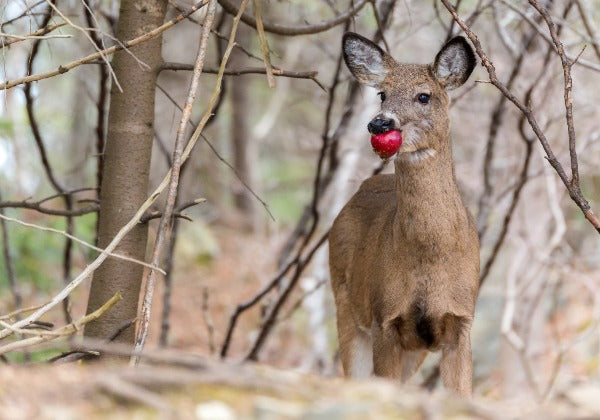
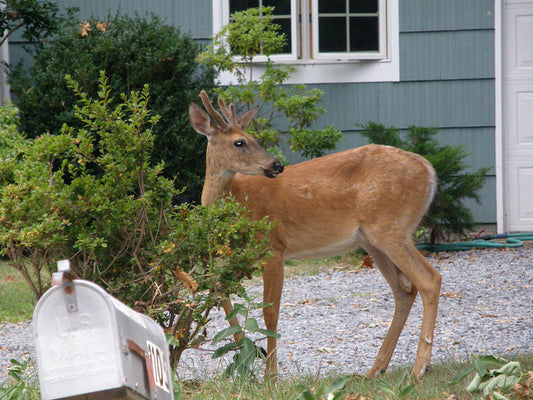
Deer are fascinating creatures that capture our attention across North America. Their elegant leaps over tall barriers and graceful movements make them a joy to watch. However, homeowners often wonder: do deer eat apples? The answer affects apple tree owners, gardeners, and anyone dealing with deer damage.
Yes, deer absolutely eat apples. These adaptable herbivores consume apples both fresh and fallen. Apple consumption provides deer with essential nutrients during challenging seasons.
Deer find apples particularly appealing because of their:
Deer eating habits change dramatically throughout the year. Apple consumption peaks during specific seasons when other food sources become scarce.
Late Fall to Early Winter: Deer actively seek fallen apples as preparation for winter months. The high sugar content helps them build fat reserves.
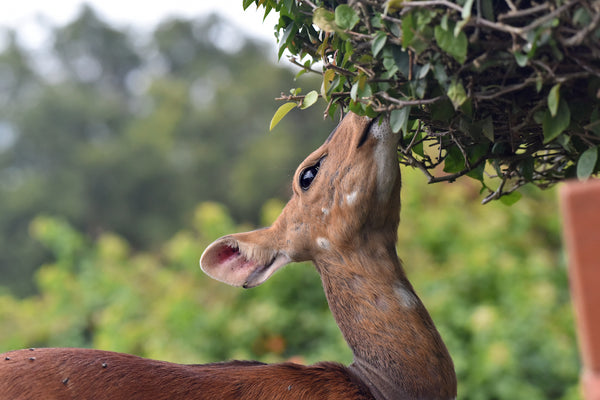
Late Winter to Early Spring: When woody browse becomes limited, deer target apple trees more aggressively. They consume remaining fruit, emerging leaves, and tender bark. Deer find apple leaves particularly appealing because they contain natural sugars and are easier to digest than mature woody browse. Young apple tree leaves are most vulnerable to deer browsing during the growing season.
Summer Months: Fresh apples on trees attract deer, though they prefer other vegetation during abundant growing seasons.

Deer maintain diverse diets that vary by region and season. Understanding their preferences helps predict when apple damage occurs.
Preferred Natural Foods:
Beyond apples, deer consume numerous garden crops and wild fruits:
Common Fruits Deer Consume:
Vegetable Garden Targets:
Recognizing deer damage early prevents further tree harm and helps implement targeted protection strategies. Deer leave distinct signs that differ from other pest damage patterns.
Bark Damage Patterns: Deer create irregular, torn bark strips rather than clean cuts. Look for vertical scrape marks approximately 24-36 inches from ground level. Male deer rub antlers against trunks, leaving shredded bark patches with exposed wood underneath.

Branch Break Characteristics: Deer break branches differently than wind or snow damage. Ragged, splintered breaks occur where deer pull or twist branches while feeding. Unlike clean storm breaks, deer damage shows multiple small breaks alongĀ branch lengths.
Browsing Line Evidence: Deer feeding creates a distinct horizontal browsing line on apple trees. All accessible vegetation gets consumed up to deer height (approximately 6-8 feet). This creates an obvious umbrella effect with growth or intact leaves only above deer reach.
When reaching for leaves or fruit, deer often tug branches down creating bent or broken limbs. Deer can harm and even kill apple trees, stunt tree growth, lower future apple yields, and ruin your current apples.Ā
Fruit Consumption Signs: Deer leave partially eaten apples with large bite marks. Unlike rodent damage showing small nibbles, deer take substantial bites from multiple fruits. Fallen apples show similar large bite patterns around core areas.
Track and Scat Evidence: Heart-shaped hoofprints around tree bases confirm deer presence. Fresh deer scat appears as small, oval pellets clustered near feeding areas. Winter scat often contains apple skin fragments during heavy feeding periods.
Timing Indicators: Fresh damage appears overnight since deer feed primarily during dawn and dusk hours. Wet bark damage indicates recent feeding activity within 24-48 hours.
Distinguishing from Other Pests: Rabbit damage stays below 24 inches and creates clean, angled cuts. Rodent damage shows small gnaw marks rather than large scrapes. Insect damage appears as holes or tunnels without bark stripping.

While deer eat apples readily, their four-chambered stomach system isn't optimized for high-sugar fruits. Research shows that excessive apple consumption can cause digestive upset. Woody browse remains the optimal deer food source.Ā
Deer feeding behavior varies significantly across North American regions. Climate and available vegetation influence apple consumption rates.
Northern Regions: Longer winters increase apple dependency. Deer consume more stored fruit and target ornamental apple trees.
Southern Regions: Year-round vegetation reduces apple consumption. Deer prefer native browse over cultivated fruits.
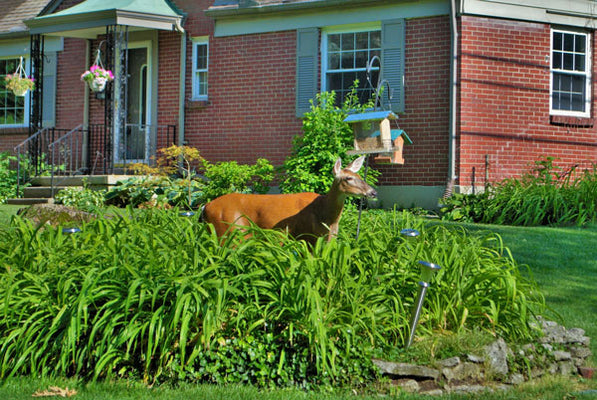
Suburban Areas: Limited natural food sources increase garden and orchard damage rates.
Multiple protection methods can safeguard apple trees from deer damage. Combining strategies provides optimal results.
Fencing Solutions:
Scent-based deer deterrents effectively discourage deer feeding without harming trees or fruit quality.
Proven Deer Repellent Options:
For maximum effectiveness, Nature's MACE Deer Repellent provides long-lasting protection using natural scent compounds that deer instinctively avoid. This professional-grade deer solution protects apple trees without affecting fruit safety or tree health.
Understanding seasonal patterns helps time protection efforts effectively. Strategic timing reduces deer damage while minimizing maintenance efforts.
High-Risk Periods:
Monthly reapplication of deer repellents ensures consistent protection. Weather conditions and rainfall require more frequent applications during certain seasons.
Strategic plant placement around apple trees can deter deer naturally. Certain plants produce scents or textures that deer avoid.
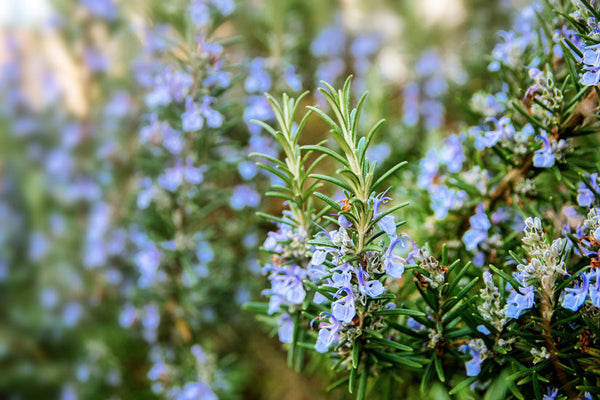
Deer-Resistant Companion Plants:
Large-scale apple operations require comprehensive deer management programs. Integrated approaches combine multiple deer deterrent methods.
Commercial Strategies:
Regular damage assessment helps adjust protection strategies. Documenting deer activity patterns improves prevention efforts.
Ā
Deer absolutely eat apples, and this feeding behavior can cause significant damage to apple trees and fruit production. Understanding seasonal patterns, recognizing deer damage types, and implementing effective protection strategies helps preserve your apple harvest.
Key Protection Points:
For reliable, long-term protection, consider professional-grade deer deterrent products that provide consistent results without harming your trees or fruit quality.Ā Nature's MACE Deer Repellent offers proven protection that keeps deer away while maintaining the health and productivity of your apple trees.Ā
Don't let deer damage reduce your apple harvest. Take proactive steps today to protect your investment and enjoy the fruits of your labor.
Comments will be approved before showing up.
Join us for the latest sales, new releases and more!
Has products that are not that easy to find.
So far it is working miracles
The Mace Granular works very well as the neighbor's cat stop using my lawn for their toilet. I also apply some along the fence .
Deer no longer destroy floral beds.
Cat MACE Granular Cat Repellent & Training Tool
Nature's MACE Mole and Vole Eviction Kit